In June 2026, the Climate Change Authority released a consultation paper to understand how Australia could accelerate reductions in fossil methane emissions.
This listening report highlights themes we heard through the Authority’s engagement and consultation activities. The Authority’s fossil methane work has informed the Authority’s 2026 Annual Progress Advice.
How we consulted
Public consultation
An issues paper ‘Fossil methane: A near-term abatement opportunity’ was open to submissions from 11 June to 7 August 2026. Stakeholders were invited to respond to as many consultation questions as relevant and to provide supporting evidence or analysis.
Other consultation and engagement
The Authority also met with many stakeholders from industry, business, research organisations, environmental organisations, investors and government. Some meetings also covered issues relevant to the Authority’s Safeguard Mechanism consultation.
What we heard
Areas of broad agreement
- There are practical barriers. Safety requirements, site-specific engineering, regulation and approvals, commercial viability, long project lead times, inadequate infrastructure and lack of coordination across governments.
- Measurement, monitoring, verification and public transparency need to improve.
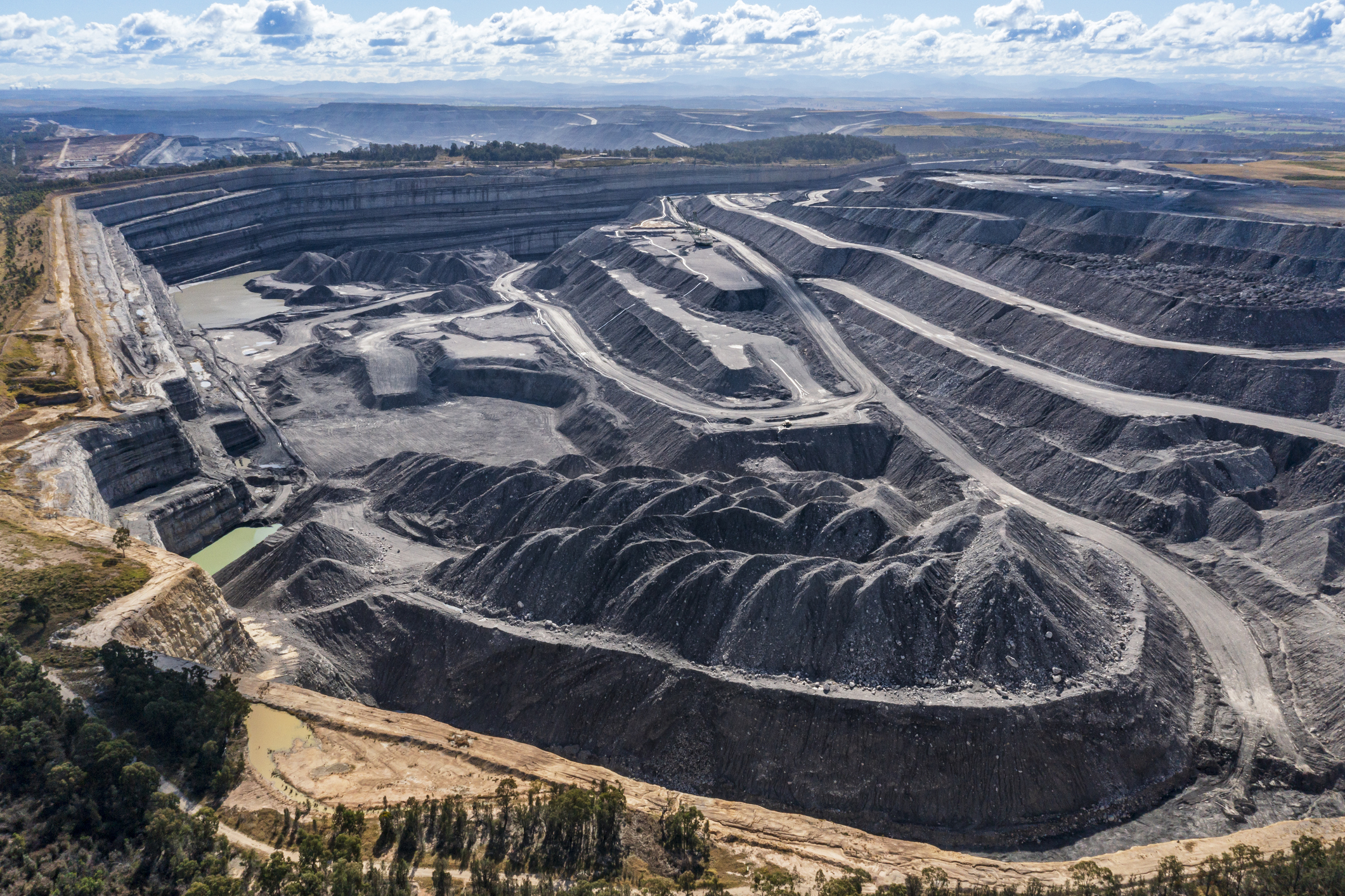
- Abatement technology needs to be adapted for site conditions. This is particularly important for ventilation air methane oxidation and open-cut coal mine pre-drainage.
- Abandoned and inactive assets need more attention. Stakeholders identified gaps in information about abandoned and inactive assets and called for better records, monitoring and clearer responsibility for material methane sources.
- Government has a role addressing deployment barriers. This includes co-investment, demonstration projects and streamlined approvals.
Contested issues
- Stakeholders differ on methane targets. Environmental, research, investor and project-development stakeholders generally supported methane-specific targets or accountability mechanisms. Coal, oil and gas stakeholders and industry groups generally opposed separate targets or supported retaining economy-wide targets and existing policy frameworks.
- Support for mandatory requirements is mixed.Some stakeholders supported mandatory standards for established practices and progressively stronger requirements as technologies mature. Others said requirements should proceed only after safety, technical feasibility and site applicability have been demonstrated.
- Mixed reviews of the performance of the Safeguard Mechanism. Industry stakeholders generally considered the Safeguard Mechanism an important or sufficient incentive and cautioned against overlapping regulation. Some researchers, environmental organisations and investors argued that further targeted action is needed to increase direct abatement.
- Support for using the 20-year Global Warming Potential (GWP-20) is mixed. A range of stakeholders supported publishing GWP-20 alongside GWP-100 to show methane’s near-term warming effect. Others opposed using GWP-20 to determine formal obligations, targets or investment priorities.
How stakeholder feedback informed our advice
The Authority has used stakeholder feedback, insights and evidence, alongside its own research and analysis, to develop the fossil methane recommendations that are included in its 2026 Annual Progress Advice. The final advice has been provided to the Australian Government to inform the Minister for Climate Change and Energy’s Annual Climate Change Statement to Parliament.
Read the 2026 Annual Progress Advice.
Public submissions
The Authority released public submissions to this consultation on 26 November 2026.
View public submissions on our consultation hub(Opens in a new tab/window).
See our Engagement Strategy for information on why, how and who we engage.
Follow us on LinkedIn(Opens in a new tab/window), Instagram(Opens in a new tab/window) and Facebook(Opens in a new tab/window), and sign up to the On Good Authority newsletter(Opens in a new tab/window) for more Authority news and updates.
Further reading