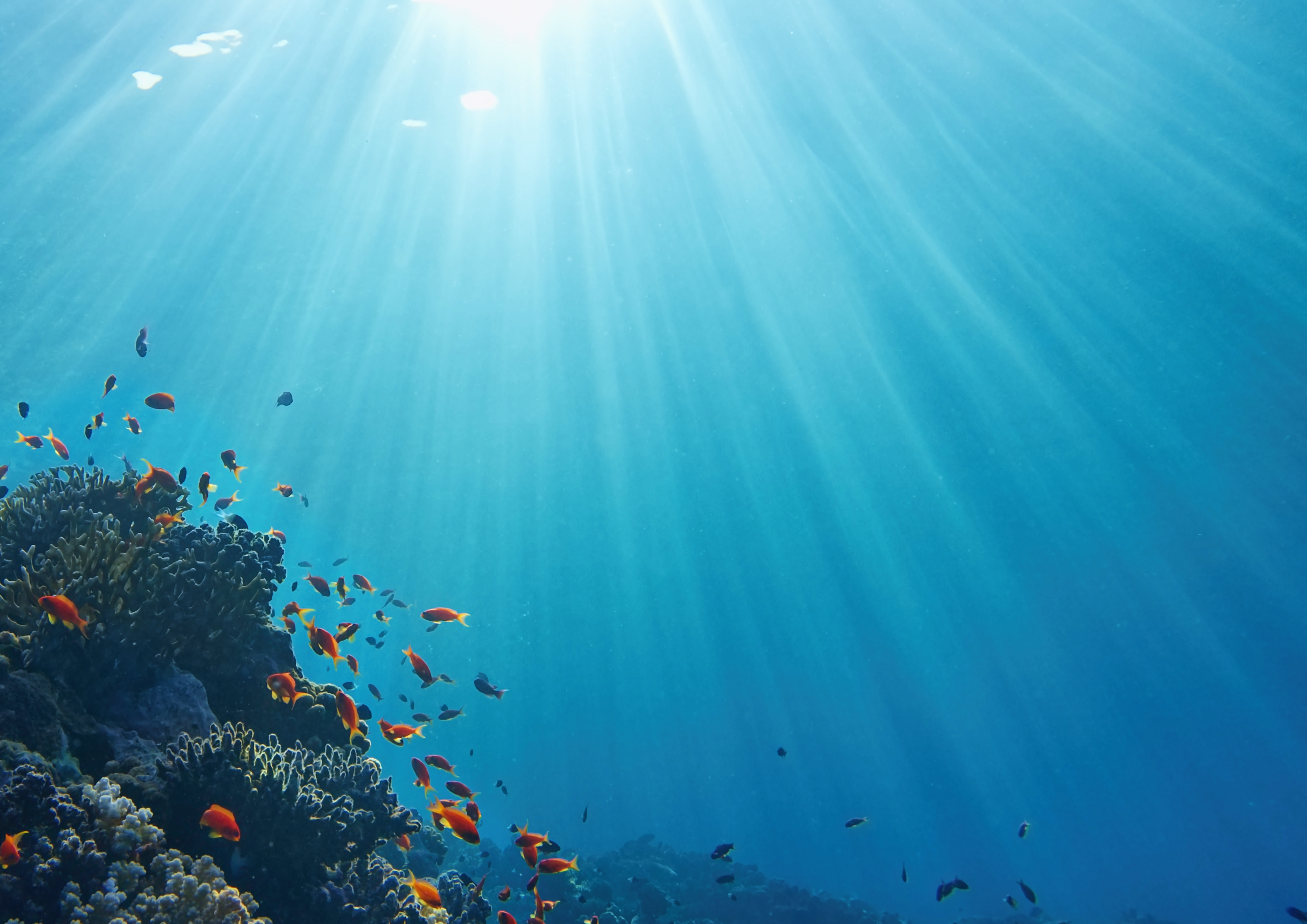
Our latest report, Understanding climate threats to the Great Barrier Reef: Science and impacts in a warming world examines how ocean warming, acidification and more frequent extreme weather events are affecting the Great Barrier Reef’s health, and the risks to its unique ecosystems in an increasingly warming climate.
In 2024, global ocean temperatures reached record highs, contributing to the sixth mass coral bleaching event of the Reef in nine years. More severe cyclones and floods are increasing physical damage and water pollution, while ocean acidification is weakening reef structures and marine ecosystems.
Globally, coral reefs are projected to decline by 70 to 90% if climate warming remains at 1.5 °C above pre-industrial levels for an extended period. At 2 °C of warming, up to 99% of corals may be lost or fundamentally altered.
Urgent action worldwide to reduce greenhouse gas emissions and limit the increase of global warming is essential to keep open the possibility of avoiding widespread loss to the Reef we know today.
Further reading