Executive summary
The global race to build clean industries is underway. While there are trillions of dollars in clean industry investment opportunities, many projects have not yet progressed to final investment decision and construction. The challenge is creating the commercial conditions that allow projects to proceed.
International partnerships can help bridge that gap. By aligning demand, supply, finance and policy settings across countries, governments can reduce risk, improve project bankability and accelerate investment in low emissions industries.
Australia is well placed to play a leading role. Our renewable energy resources, critical minerals and industrial capabilities complement the demand from, and manufacturing and technology strengths of, major trading partners like Japan, Germany and Singapore.
The next phase of climate cooperation should focus on outcomes: investment unlocked, projects delivered and emissions reduced.
At a glance
Key findings
- Clean industries represent an estimated AUD $6.7 trillion global economic opportunity (MPP, 2026).
- More than 84% of global GDP is covered by net zero commitments, creating growing demand for low carbon dioxide emissions products and supply chains.
- The barrier to investment is not capital, but confidence that demand, infrastructure, policy and commercial arrangements will support projects over the long term.
- Governments can help unlock investment by reducing risk, coordinating finance, supporting market creation and aligning standards across borders.
- Existing international partnerships are a strong foundation for developing new clean industry value chains.
Why this matters
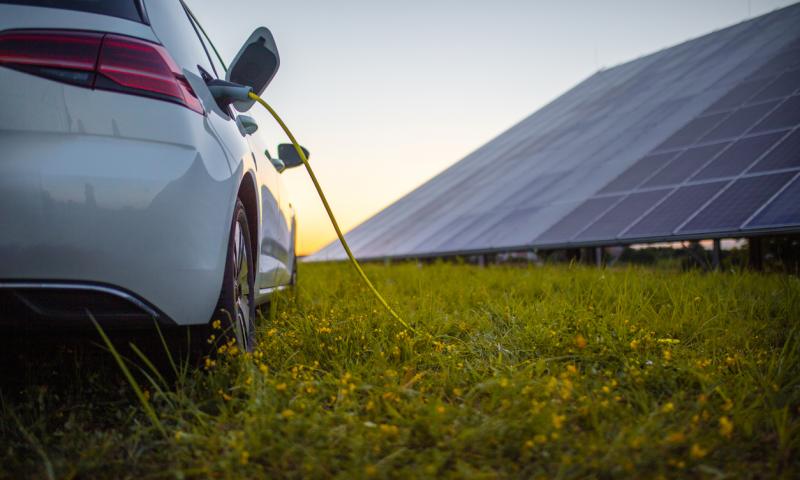
The shift to reducing emissions and more clean energy is changing what countries trade, how they manufacture and where they invest.
Many low emissions industries rely on international supply chains. No country can decarbonise these value chains alone. Countries must work together to connect producers, buyers, investors and governments.
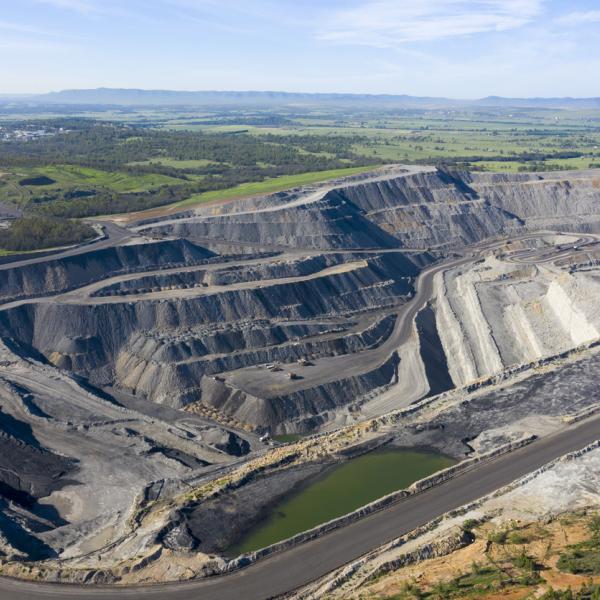
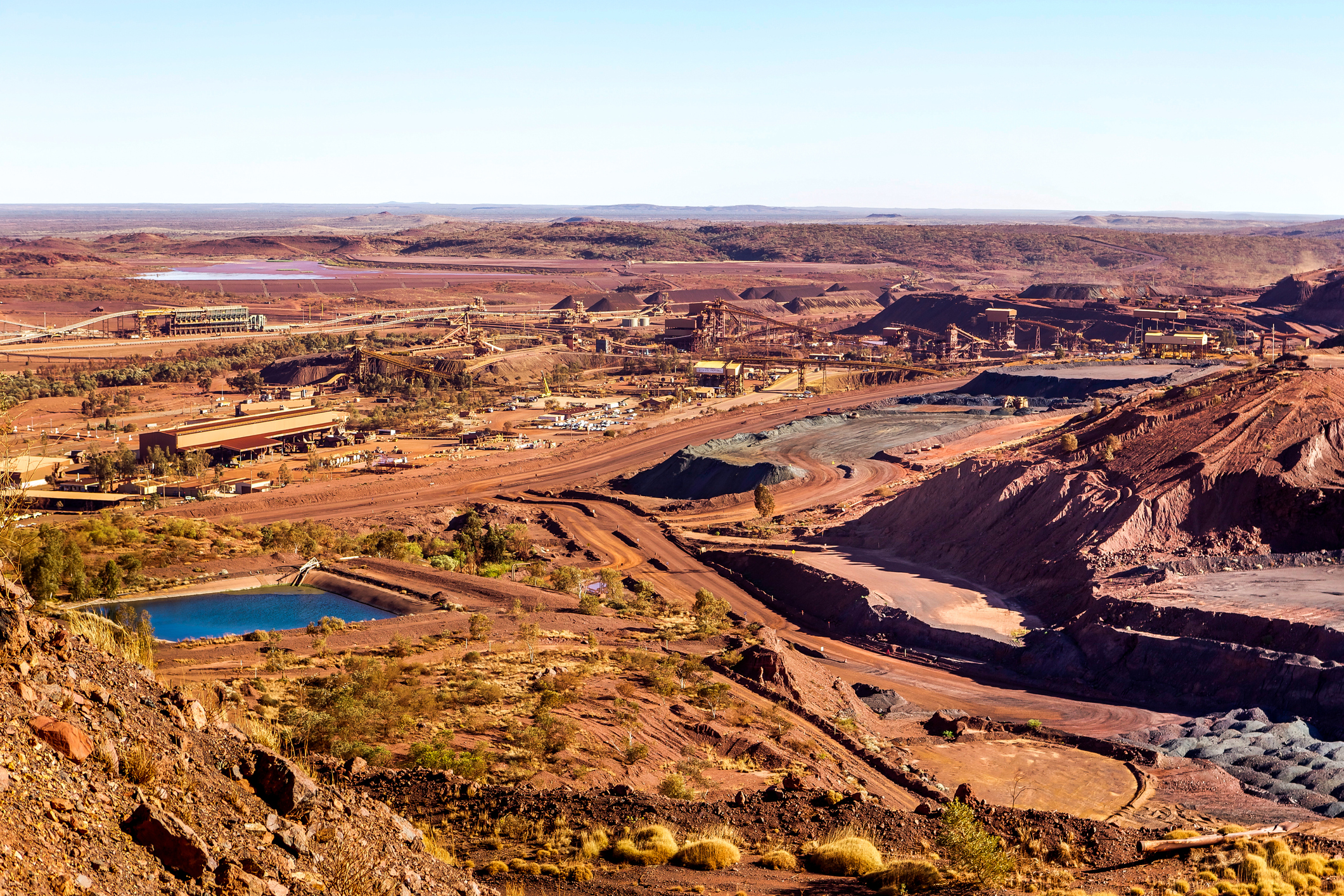
Australia has an opportunity to move beyond exporting raw materials and play a larger role in supplying the low emissions commodities and products needed by trading partners. International cooperation can help translate that opportunity into investment, jobs and lower emissions.
This shift could take Australia and its trade partners from being exporters of emissions to exporters of abatement.
Further reading